

Ready to join the adventure? Head over to the official https://pinup-turkey.top/game/pin-up-casino-aviator/ page and start playing today!
Pin Up Aviator is an innovative and fast-paced game where players can experience the thrill of high-stakes action. The objective is simple: cash out at the right moment before the plane flies away! Its unique mechanics and dynamic gameplay have made it a favorite choice for those seeking excitement and big wins.
A journey through fire, faith, and the triumph of color
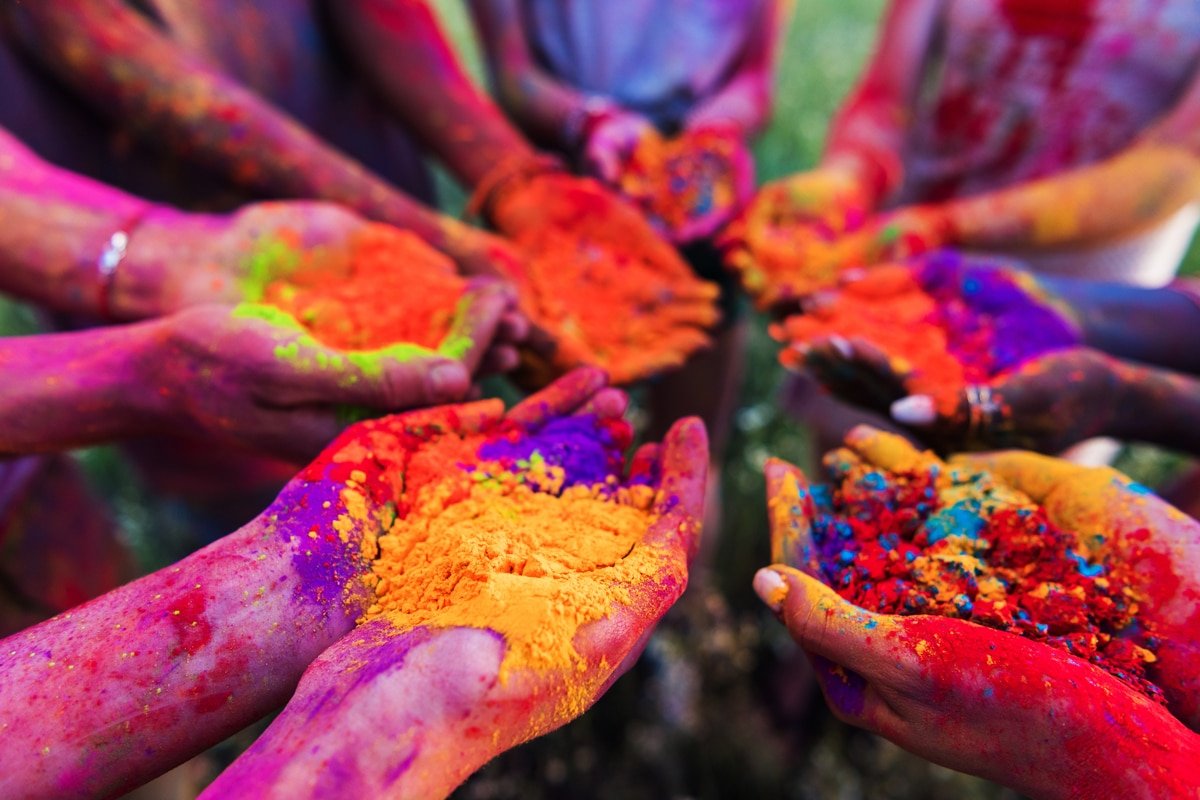
Every year, as winter loosens its grip and the first warmth of spring brushes across India, the air fills with something electric. Streets burst into clouds of crimson, saffron, and emerald. Laughter echoes between walls. Strangers become friends, and for one glorious day, social boundaries dissolve into a rainbow of joy. But Holi — the world’s most colorful festival — is far more than just powdered pigment and playful water balloons. Beneath every splash of color lies a story thousands of years old, rooted in devotion, betrayal, divine fire, and the unshakeable belief that good will always outlast evil.
The Legend That Started It All
To understand Holi, you must first meet Holika — and her story begins with power gone terribly wrong. Ancient Hindu scriptures tell us of Hiranyakashipu, a demon king whose ego was matched only by his ambition. After years of extreme penance, he was granted a seemingly invincible boon: he could not be killed by man or beast, by day or night, indoors or outdoors, on earth or in the sky, by any weapon. Armed with this near-immortality, he declared himself god and demanded that all worship him — and him alone.
But his own son, the young prince Prahlad, refused. Prahlad was a devoted follower of Lord Vishnu — a fact that enraged his father beyond measure. No amount of punishment could shake Prahlad’s faith. The king tried everything: exile, torture, even enlisting serpents and war elephants to destroy his son. Yet each time, divine protection shielded the boy. Frustrated and humiliated, Hiranyakashipu turned to his sister, Holika.
Holika possessed a magical cloak — a divine boon that made her immune to fire. The plan was simple and ruthless: she would sit with Prahlad in a blazing pyre, letting the flames consume the boy while she walked out unscathed. But something extraordinary happened. As the fire roared, Holika’s cloak flew off and wrapped itself around Prahlad. The boy emerged untouched, glowing with divine grace. Holika, who had used her gift for malice, was reduced to ashes.
That night of fire became the night of Holika Dahan — the burning of Holika. And from those ashes, Holi was born.
The Night Before: Holika Dahan
Even today, on the eve of Holi, communities across India gather around towering bonfires to reenact this ancient victory. Logs are stacked days in advance. Effigies of Holika are placed at the center. As flames leap skyward, people circle the fire, offer prayers, and toss grains and coconuts into the blaze — a ritual that symbolizes the burning away of ego, jealousy, and all that is impure within us.
Holika Dahan is not merely a spectacle — it is a deeply personal ceremony. Families pass down traditions of whispering prayers into the fire, asking for protection for their loved ones. The heat of the flames is said to drive away the cold of winter and the darkness of negativity. By morning, the ashes left behind are considered sacred and are sometimes applied to the forehead as a blessing.
The Morning of Color: Why We Play with Gulal
With sunrise comes Rangwali Holi — the riot of color the world has come to love. But where did the tradition of throwing colored powder and water actually come from? One beloved explanation takes us to the playful world of young Lord Krishna in Vrindavan. Krishna, who had a famously dark complexion, was envious of Radha’s fair skin and complained to his mother Yashoda. In a moment of charming mischief, Yashoda suggested he color Radha’s face any hue he liked. Krishna, delighted, smeared Radha’s cheeks with color — and a timeless tradition was born.
The villages of Vrindavan and Mathura, considered the birthplace of Krishna, still celebrate Holi with unmatched fervor. Lathmar Holi in Barsana — where women playfully chase men with sticks while men shield themselves — echoes this divine love story. It is raucous, joyful, and utterly human.
More Than a Myth: What Holi Really Teaches Us
It would be easy to see Holi as simply a seasonal celebration — a welcome farewell to winter and a greeting to spring’s abundance. But the mythology woven into its origins carries a message that resonates in any era: power without humility destroys itself. Holika’s boon became her undoing the moment she weaponized it against an innocent child. Prahlad’s unwavering faith became his shield.
Holi also carries a quietly radical social message. Traditionally, it is one of the few days when India’s strict social hierarchies soften. The king and the commoner, the teacher and the student, the elder and the young — all are equally soaked, equally colored, equally laughing. There is no rank in the chaos of color. This is perhaps why Holi has resonated globally: in its heart beats a democratic joy that belongs to everyone.
Read also- https://techwiredau.com/what-is-sotwe-and-how-does-it-work-a-complete-guide/
Holi Beyond Borders
Today, Holi is celebrated on every continent. From Central Park in New York to the streets of London, Sydney, and Cape Town, people who have never set foot in India gather to throw gulal and dance to dhol beats. The festival has transcended its Hindu origins to become a universal symbol of joy, inclusion, and the beauty of letting go — of grudges, of grief, of whatever weighs you down.
Even as Holi evolves — with natural, skin-safe colors replacing harsh synthetic dyes, and water-conservation drives encouraging dry celebrations — its soul remains intact. The bonfire still burns on the eve. The colors still fly at dawn. And somewhere in it all, a little boy named Prahlad still walks out of the flames, unharmed and smiling.
A Festival for the Ages
From the crackling flames of Holika Dahan to the joyful chaos of Rangwali Holi, this festival is a full-sensory reminder of life’s deepest truths. That love outlasts hatred. That faith outshines fear. That no matter how long the winter, spring — and color — always returns.
So the next time you pick up a fistful of gulal and hurl it at someone you love, know that you are not just playing. You are participating in a story older than nations — one that began with a wicked king, a brave child, and a fire that burned everything except what truly mattered.
🌸 Happy Holi 🌸
